Cypress, TX · Garage Door Service
Most Cypress garage doors date to the 1980s-90s building boom. Here's how to tell if that original door and opener still earns its keep or needs replacing.
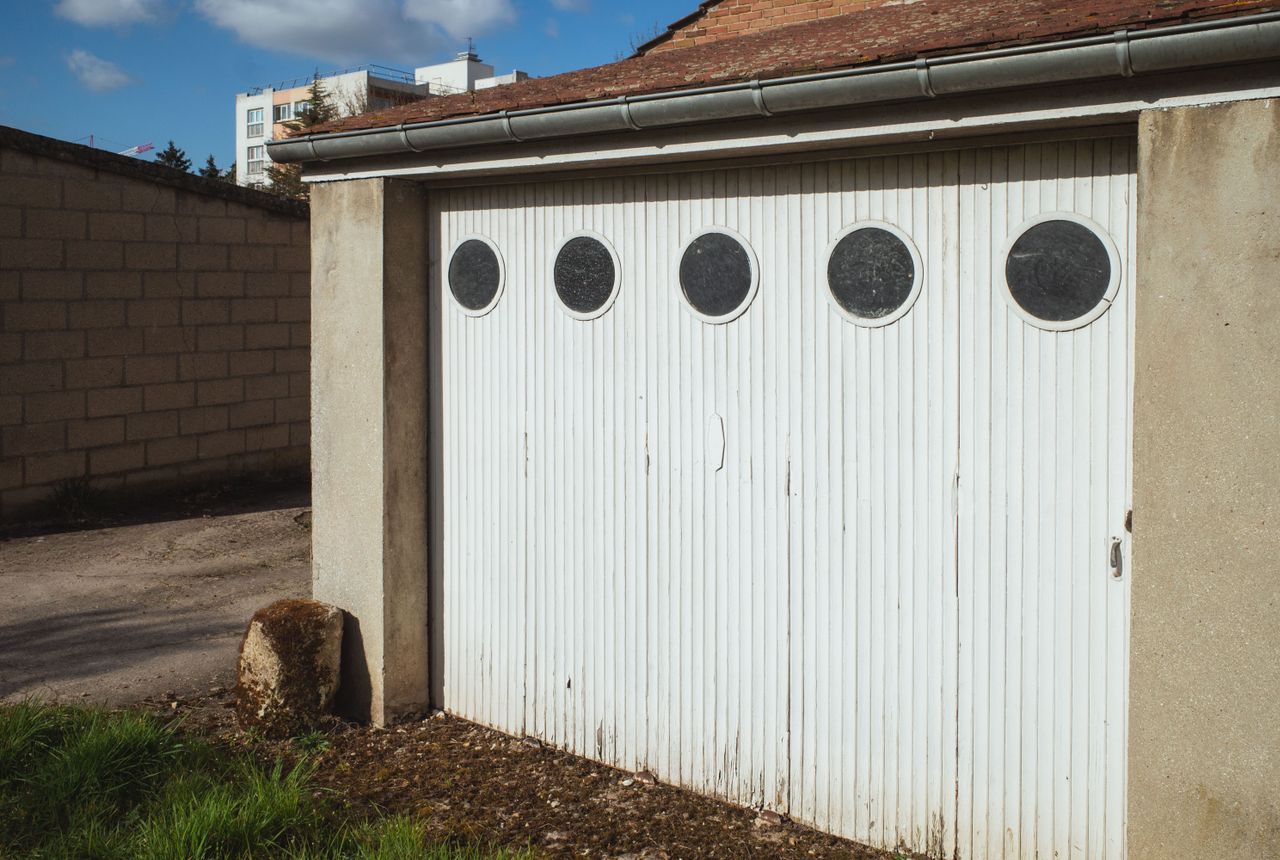
Housing in this service area went up mostly between 1971 and 2002, with the median build year sitting around 1988. That means a huge share of the doors we look at aren't the ones the original builder installed thirty-plus years ago - they're a first-generation replacement from the 90s, or in some cases still the original steel door with the hardware nobody makes anymore. Across the 14 named areas we work in, the story repeats: same era, same builder-grade door, same panel style. When a homeowner calls about a door that won't open, the first question isn't "how old is it" - it's "what generation of door is this." A door from 1988 with a torsion spring that's never been touched is a different job than a door with a broken cable and a worn opener from a mid-90s remodel. We can't tell you the exact age without seeing the door, but we can tell you the odds: if your house was built in that late-80s window like most in this area, your door is old enough that the springs have earned their retirement and the opener may be on borrowed time.
This is a moderate heat climate, not an extreme one, so we don't see the violent freeze-thaw cracking that wrecks doors up north. What we do see is steady heat load on steel panels and on the plastic and nylon parts of openers - rollers, gears, the drive belt or chain sprocket. A door that's spent three decades absorbing Texas heat through an unshaded panel tends to show it in the seams and in warped weatherstripping before it shows it anywhere else. Heat doesn't snap a spring the way cold does, but it does dry out lubrication faster, which is part of why a door that was fine last year suddenly sounds like a shopping cart this year. None of this means replace on a schedule - it means the parts most exposed to sun and heat wear on a different timeline than the parts hidden in the garage, and a fix that only addresses the noisy roller without checking the spring underneath is a half-job.
With 22,419 owner-occupied houses across a service area of roughly 35,410 households, and median household income near $95,000, most of what we see is mid-range construction - not custom builds with oversized doors, not the cheapest builder-grade either. That matters for the fix-or-replace call: parts for a standard 16-foot double door from the 80s or 90s builder era are still available and not expensive to source, so a spring or cable repair on that kind of door is almost always worth doing. Where it gets harder is when a door was upgraded once already - say a homeowner swapped in a heavier insulated door in the 2000s on original hardware never rated for the extra weight. That mismatch is common enough in this area that it's worth checking the springs are actually sized for the door currently hanging on them, not the one that used to be there.
Start with the springs, not the opener. If the door is hard to lift by hand with the opener disconnected, that's a spring problem, and on a door from the late 80s or 90s it's very likely original hardware that's simply worn out - a repair, not a red flag. Next check the bottom panel and the track alignment; rust or bowing at the bottom section, common on doors that have sat through enough Texas summers, is a cosmetic fix at worst unless it's thrown the door off the track. The point where we start talking replacement instead of repair is when the door itself is delaminating or the track has been bent and re-bent enough times that alignment won't hold. One honest limit: we don't stock every obsolete panel style from a discontinued builder-grade line, so if your specific panel isn't made anymore, sometimes matching a single damaged section costs more than a full door - we'll tell you straight when that's the case instead of chasing a part that isn't worth it.
If your house was built in the 1980s or 90s, which covers most of this area, and the door has never been replaced, it's likely original. Look for a manufacturer sticker on the inside of a panel, or check if the springs and hardware look dated compared to the door skin - a mismatch usually means someone already swapped the door once.
Almost always, yes. Torsion springs are a standard part regardless of the door's age, and replacing one on an otherwise sound door is far cheaper than replacing the whole door. The exception is if the door panel itself is warped or delaminating - then the spring fix doesn't solve the real problem.
Heat dries out lubrication on rollers and hinges faster than in cooler months, and plastic idler bearings can get brittle with repeated heat cycles. It's usually a lubrication and roller-wear issue, not a sign the door is failing - but it's worth checking the spring tension at the same time.
Call now or request a free quote - same-day service on most repairs, upfront written pricing.